All posts by Kathrine Holte

The doctor in Qaanaaq is always on call

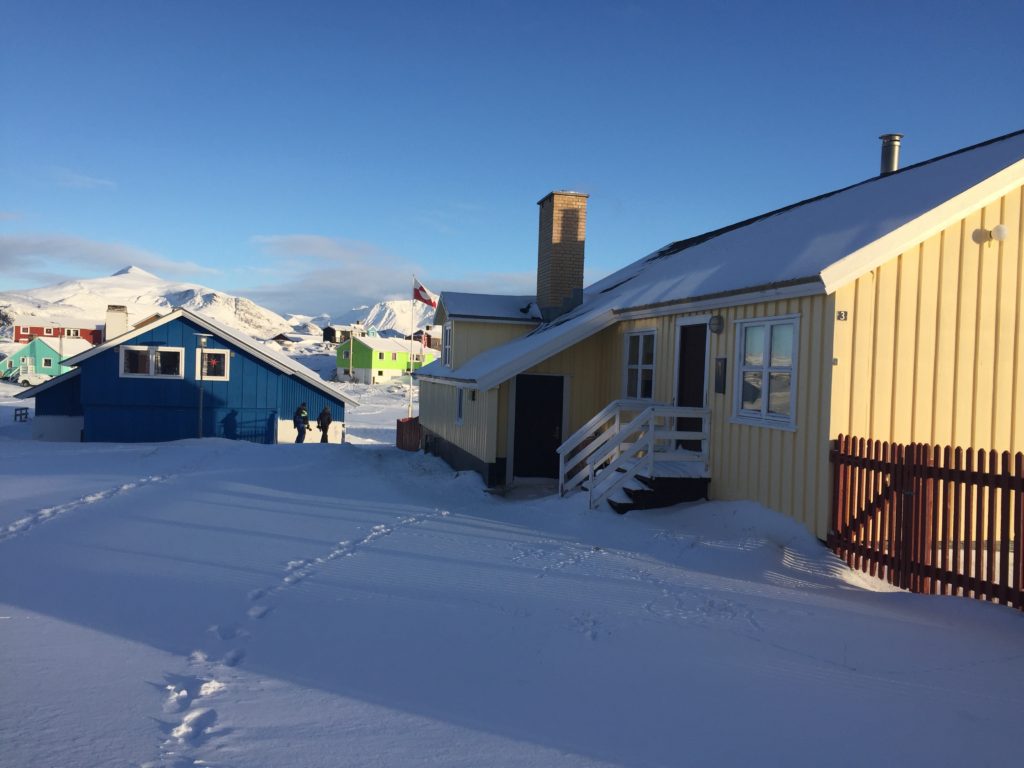
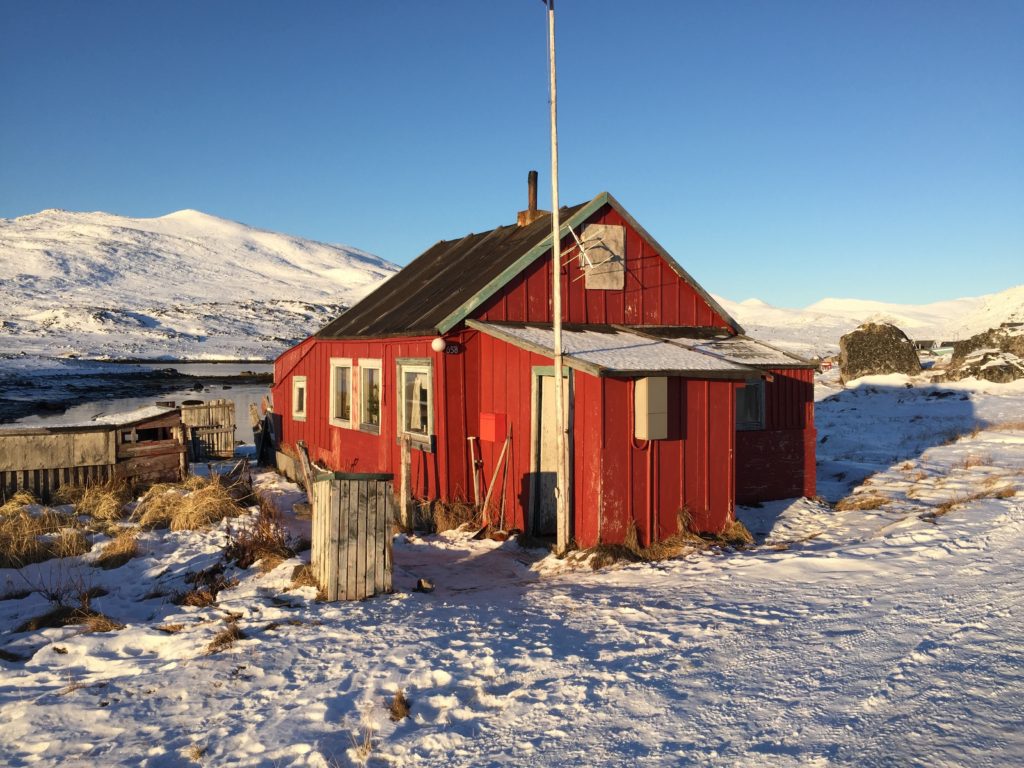
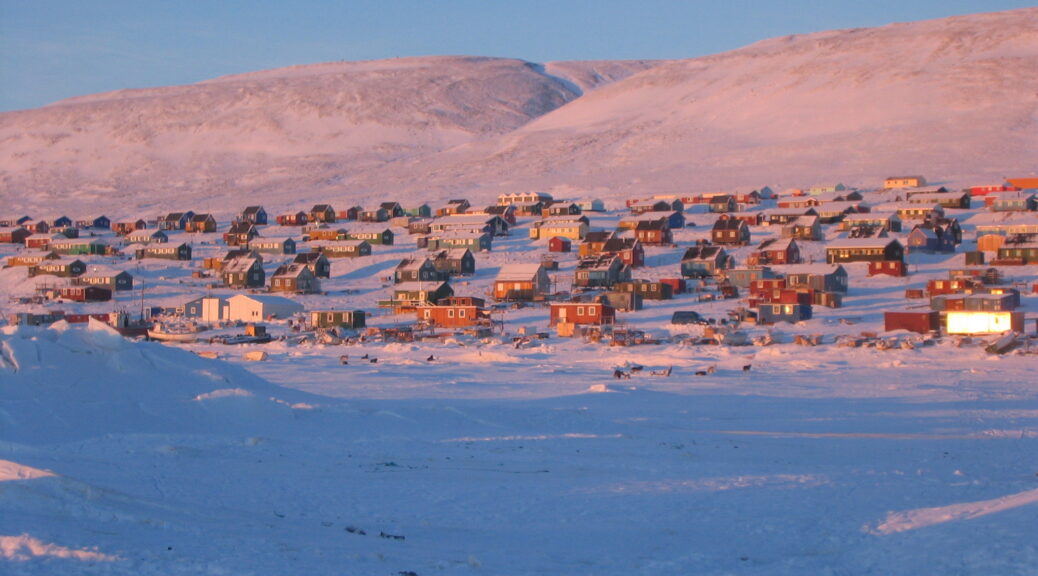
Qaanaaq, the Northernmost village in Greenland is a very special place. Founded in 1953 when the original inuit population was forcefully evacuated from  Thule Air Base, now 650 inhabitants remain. The history of Qaanaaq is fascinating and descendants of the Polar Explorers Robert E. Peary and Matthew Henson still walk the streets of Qaanaaq today.
Qaanaaq

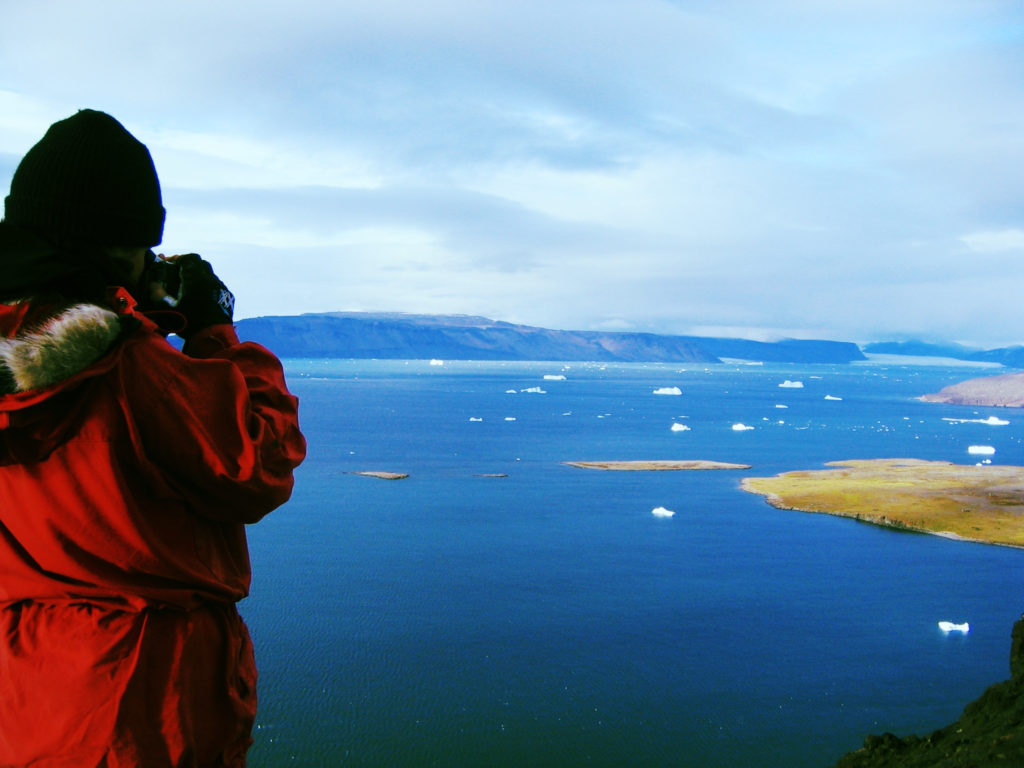
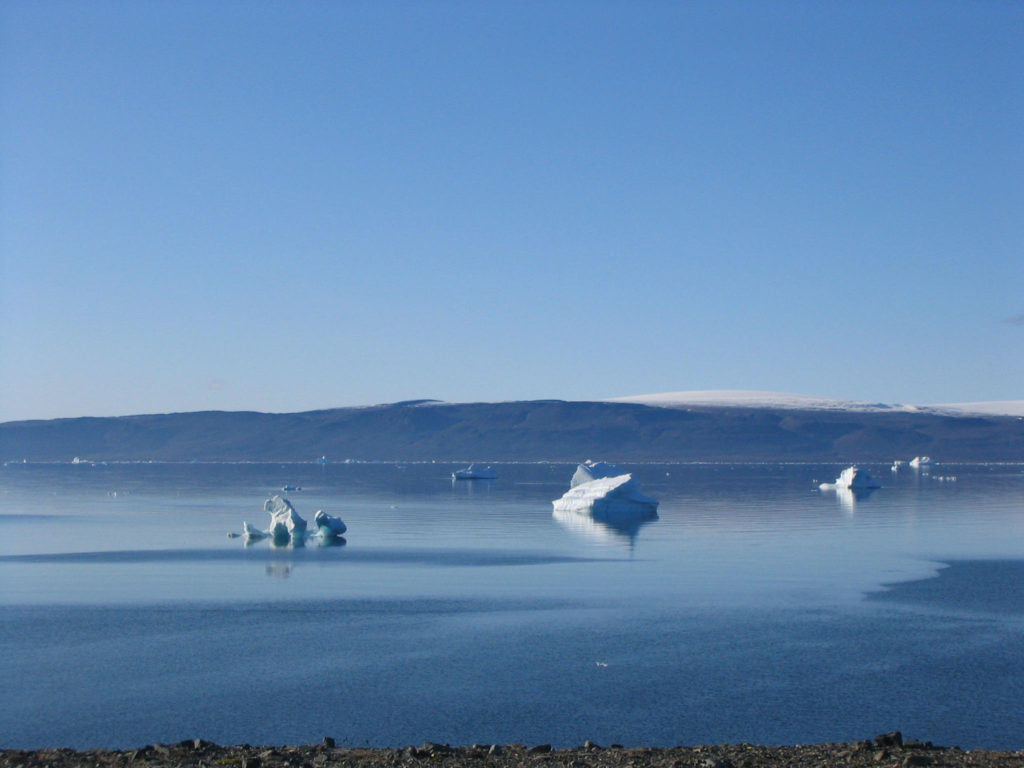
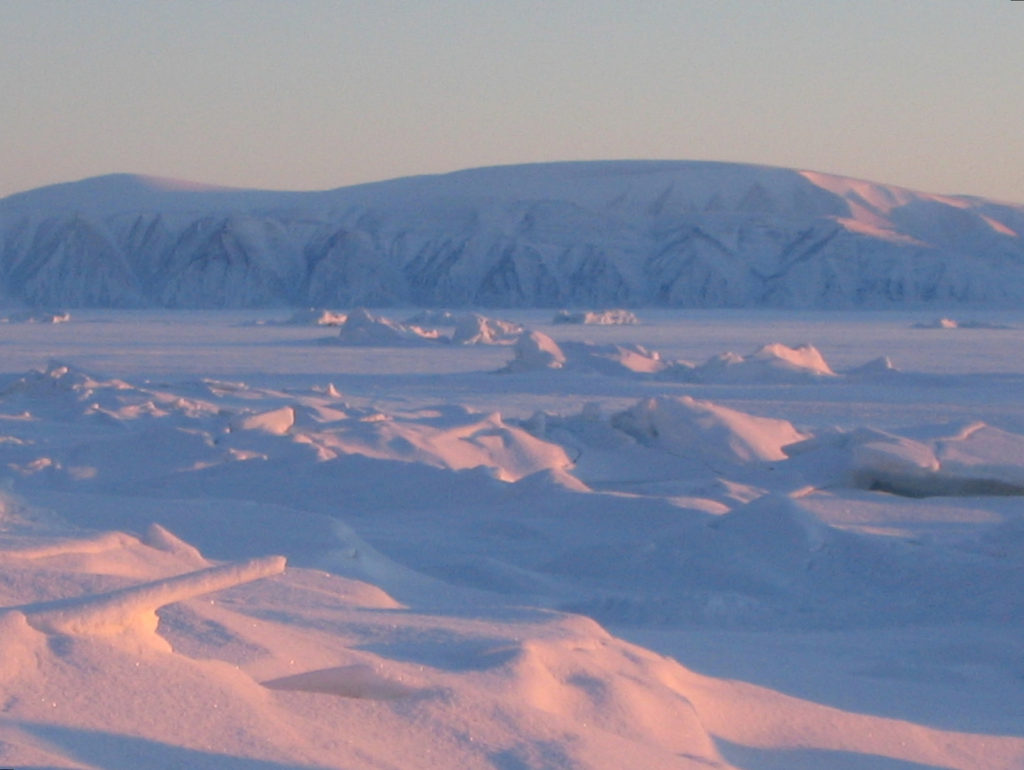
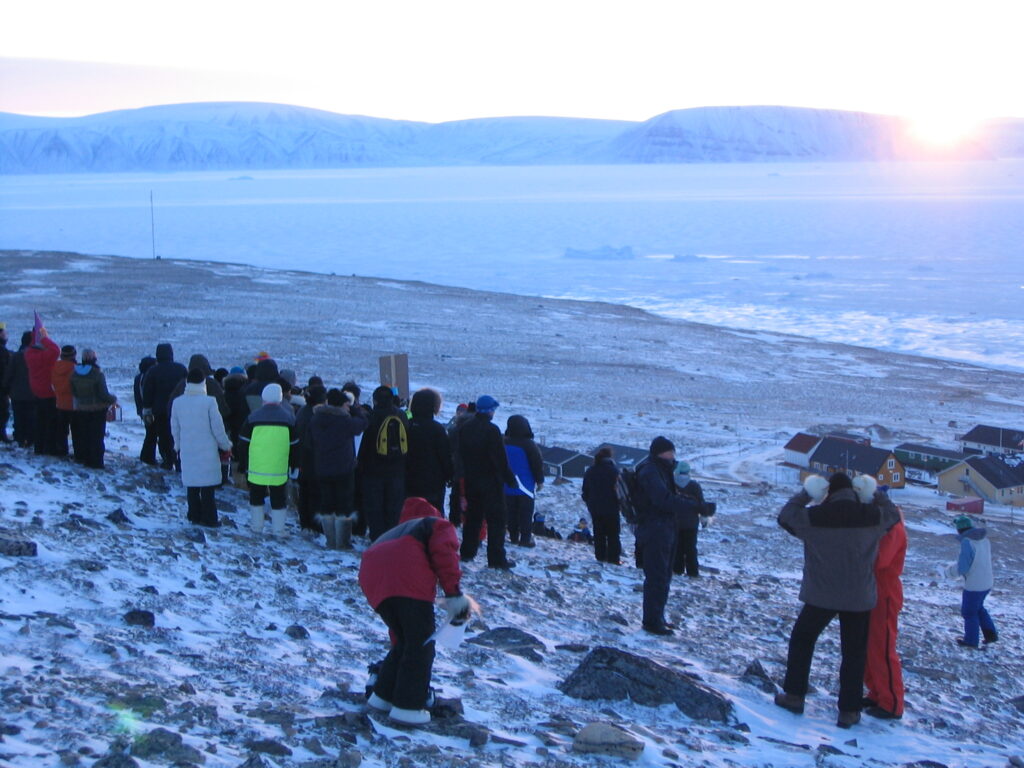
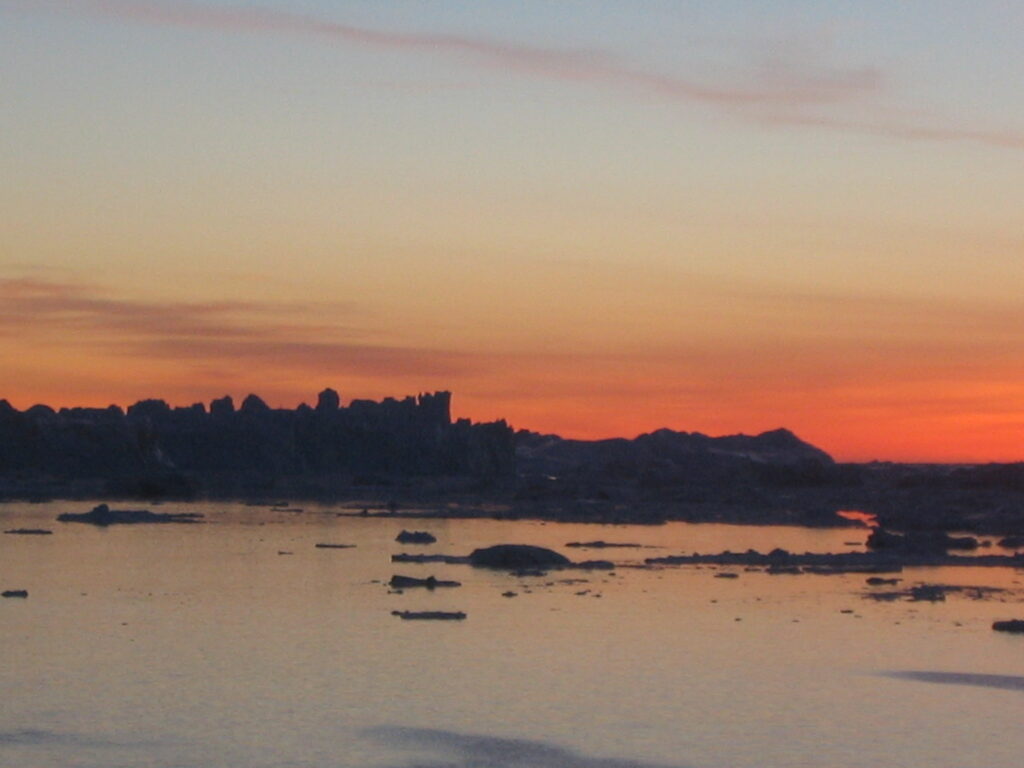
So far north, the sun is permanently down between November and February, and permanently up between June and August. Temperatures in winter may drop to below minus 50°C. We are even too far north for the Northern lights.  It is an arctic desert, with little, if any snow even in winter. The Qaanaaq fiord is frozen 9 of 12 months and only a couple of ships a year pass by with supplies, the last one in August. Trucks drive out on the frozen fiord to collect chunks of icebergs, which supply Qaanaaq with drinking water during the Arctic Winter. You are the only doctor here. The next settlement on the Coast is Upernavik, 1:30 hours south by plane, one plane a week.

I worked as a doctor in Qaanaaq in 2006 and again in 2013.
Qaanaaq
Qaanaaq

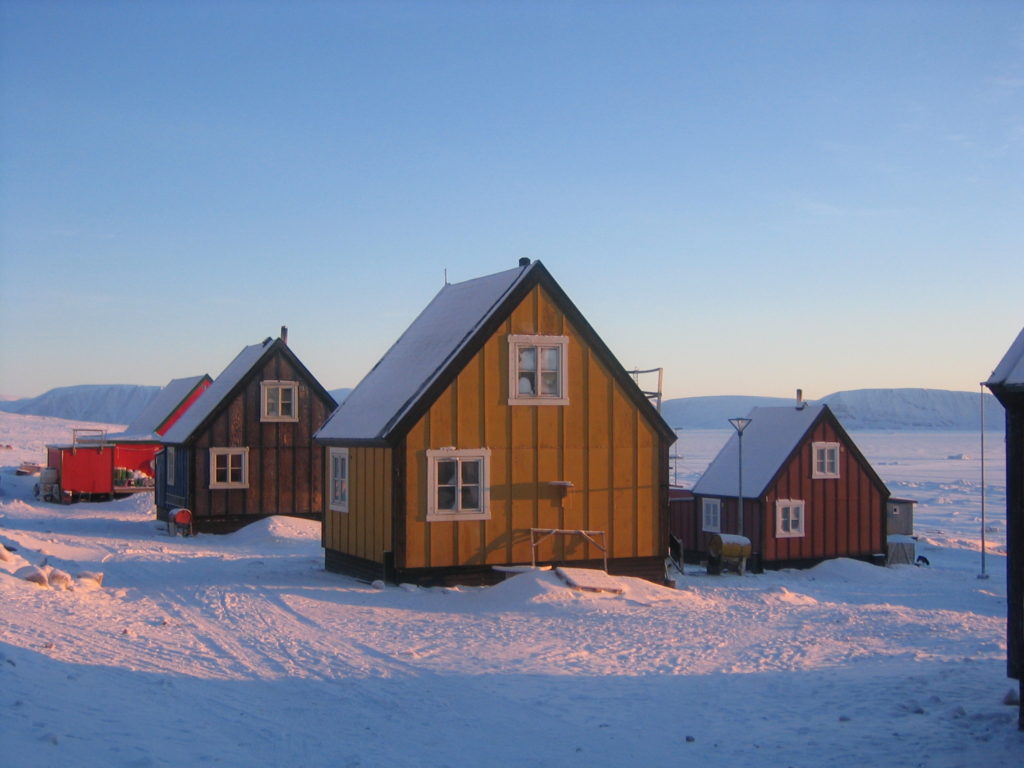
07:30 January. The middle of the Arctic Winter. While the sun is never up, it is not pitch dark all day, as reflections of light shimmer over the flat mountains. Some people suffer depressions in this eternal darkness. I think it is wonderful. I have an entire house at my disposition, right next to the hospital. First I empty my toilet bag (there is no cloacal system here) and place it outside the house to be collected. It is minus 35 °C. After a quick coffee I run the 200 meters to the hospital.

08:00 Morning meeting at the hospital. It is Wednesday: Surgery day. Thursday is for vaccinations, Tuesday for examining children. Today we have two abortions scheduled. If I was not able to perform them, they would have been sent down south to Upernavik or Ilullissat.

09:00 Patient consultations begin: Two patients present with a common cold. One needs his diabetes controlled. One child presents with a rash.  I need an interpreter for the majority of the consultations, as especially the younger patients do not readily speak Danish. 3 patients per hour are booked. While this may not seem a lot, the lack of prior knowledge of the patients as well as the need of translation makes it appropriate.

09:30 A hunter has been out on the ice-edge, hunting for walrus. They caught one and ate some raw meat. Now he feels weird. Could it be trichinosis? I have to look it up in the text book.

10:00 I administer a paracervical blockade, and the two abortions are performed without problems.
Qaanaaq, the arrival of the sun

11:00 The consultations continue: One patient presents with tendinitis. He is a hunter, and it comes from holding the reins of the dog-sledge.

12:00 Lunch break: The nurse told me that a helicopter from Thule Air Base had just landed bringing eggs. There have not been any eggs in Qaanaaq for two weeks. I run down to the supermarket Pilersuisoq, where 15 boxes of eggs are left. I took two.  I check the rest of the store out: Well stocked with mainly dry and canned foods. Dairy products and vegetables are frozen.

13:00 Visit to the retirement home. The lack of continuity is a problem, a new doctor coming in every 1-3 months.  I do not know the patients, but try my best together with the leading nurse to go through and update all the prescriptions.

14:00 Call to the settlement Siorapaluk via the telemedicine platform ”Pipaluk”. I talk to the settlement health worker who presents a couple of patients, mainly with coughs and skin issues.
15:00 The visiting psychiatrist is here for her yearly visit. The secretary tries to get hold of all the villagers referred for psychiatric consultation. This includes arranging transport for those living in the smaller settlements around Qaanaaq: If they don´t make it this week, they have to wait a whole year until the next visit.

15:30 Off duty. It is minus 25 degrees Celsius now. I walk the 50 metes down the hill to the public library and shuffle through the books. There is a an interesting new book out on Knud Rasmussen, signed by the author. Knud Rasmussen is well remembered here in Qaanaaq and his sledge from the Thule expeditions can be seen in the Qaanaaq museum, the building itself being his old trade station (Thule Trade Station) moved up to Qaanaaq from Dundas.

Qaanaaq
Qaanaaq

16:00 In many ways the history is very much alive here: The descendants of Robert Peary are well respected as are the descendants of Matthew Henson, who was first on the North Pole together with Peary and perhaps the first one to actually touch the pole. Henson was a black man, and his descendants lived for many years in the small settlement of Moriusaq. Even now, three generations later, they may be distinguished by their slightly darker skin color.

18:00 Dinner with the visiting psychiatrist at the only hotel in town. Soup with seal is served. It tastes mainly of salt water.

21:00 A call from the police. A young man has committed suicide by hanging. He is 19. The police officer picks me up at my house and we drive to examine him and fill the necessary paper work. The suicide rate in Greenland is one of the highest in the world.

01:20 Another call from the police. They want to lace a man overnight in the detention, and a prior medical examination is mandatory.

Other posts on Greenland:
Working as a doctor in Greenland: Some basic facts.
24 hours working as a doctor in Nanortalik.
Life as a doctor on Thule Air Base.
Visit to Siorapaluk, northernmost settlement in Greenland.

A photogallery of my time as a doctor in Qaanaaq is available on flickr.

Working as a doctor in Greenland: Some basic facts

Greenland is a former Danish colony, population 56.000, now related to Denmark via a bilateral agreement. The majority of the island is covered by the Inland Ice, a massive ice cap, while villages and communities are dotted along the  coastline, with no roads connecting any of them whatsovers. I have worked locums on the coast in Greenland regularly since 2004 in the following places: Qaanaaq (twice), Narsaq, Paamiut, Nanortalik and Thule Air Base.

Organization of the health care system in Greenland

Nuuk is the largest city with 17.000 inhabitants and where the only official hospital, Queen Ingrids Hospital (DIH) is located. The DIH is equivalent to a provincial hospital and provides basic functions within surgery and medicine. More specialized functions such as vascular, thoracic and neurosurgery, as well as interventional cardiology and burns treatment are transferred to Denmark.

Hospitals and health centers are spread along the West coast from Qaanaaq in the far North to Nanortalik in the far south and then up again on the East Coast to Ittoqortoormiit.  Sisimiut, the second largest city has 6000 inhabitants and 4-5 doctors. Nanortalik with 1300 inhabitants has only one doctor.  The smallest villages with a permanent doctor are Ittoqortoormiit (pop: 450) and Qaanaaq (pop: 635).

Nanortalik
The doctors house in Nanortalik

The doctors on the coast are normally general practitioners, however doctors from other specialties may be employed if they have sufficient experience within general medicine. In some of the larger villages, one of the 3-4 doctors on site should have surgical skills, mainly for Cesarean sections.

As a doctor on the Coast, you perform all medical duties, the majority being within the field of general medicine. Every village has a hospital-health center, where all consultations and examinations take place and, if needed, patients are admitted.  Minor surgery, such as abortions, may be performed depending on the local competences. Furthermore, smaller remote settlements in the area are visited on a regular basis. After normal day duty one of the doctors will be on call. If there is only one doctor you will then be on call all the time. The staff are generally very competent and used to dealing with most emergencies. Most emergencies during the night are related to alcohol and violence including medical examinations prior to detention placement at the request of the police.

The generalists on the Coast have a close collaboration with the specialists in Nuuk: For non-urgent cases an online referral system is established and for emergency cases a doctor is on call within each specialty.
Furthermore, specialists visit the coastal communities on a regular, often yearly basis:  Ophtalmologists, orthopedic surgeons, psychiatrist etc. As dental health is a major issue, dentists are present in all, but the very smallest communities.

At the coast level, basic examinations such as  X-ray and standard blood analyses may be performed.  Further investigations take place either in Nuuk or at the yearly specialist visit. Emergencies may be transferred to Nuuk with either a chartered or scheduled plane depending on the degree of urgency.

The doctor is either employed directly by Greenlandic authorities or via an agency. As I understand it, you need a Danish authorization to work in Greenland. For Scandinavians, the authorization is easily transferable, for others the procedure vary. However dispensations may be given. It is a major challenge for the health system to employ doctors in Greenland and many positions are covered as short-term locums. Also in Nuuk there may occasionally be a lack of certain specialists.

Qaanaaq Fiord

The challenges for a medical doctor are both medical and cultural and often a mix between the two:

Cultural considerations.
The level of spoken Danish is quite low among young people, problematic in terms of education as all diplomas above primary school-level require good knowledge of Danish. A translator is needed in approximately half of all medical consultations. Now, several educations (police officer, nurse, teacher etc) are offered in Nuuk, where before travelling to Denmark was required, but still Nuuk is far away from many of the villages on the coat. In Greenland I have noted a certain tendency  to live in the present, rather than by the European style of long-term planning. Thus, I have seen many young people renounce on an education preferring to stay with their families. Generally speaking, one section of the inuit population seems to stay in the small communities while the other section often moves from smaller settlements to Nuuk or even Denmark to pursue educational and/or job opportunities. This pattern leads to a depopulation of  smaller settlements and contributes to social challenges. As an outsider, it is very difficult to get genuine insight into inuit, though the people are incredibly friendly.

Medical considerations
The disease pattern in Greenland differs quite significantly from the European mainland as outlined below:

While the incidence of hypopharynx cancer is increased, possibly related to viral infections, lung cancer is by far the most common cancer, related to a high incidence of smokers.

Due to the relative isolation down through the centuries, certain genetic diseases are endemic such as Cholestasis familiaris Groenlandica and propionemia. Both may now be detected via pre-natal screening. Iridocyclitis and primary angle closure glaucoma also appear more frequently in Greenland.
Greenland has one of the highest suicide rates in the world,  and almost every Greenlandic citizen knows someone who took their own life. Special task forces/initiatives have been launched to resolve this issue.

Qaanaaq
Qaanaaq

Tuberculosis is still a major health concern, with an incidence the level of several African countries, and attributed primarily to rough living conditions in small, remote communities.

Sexually transmitted diseases (STDs) are rampant, and increasing as of 2013 with 1 in 26 adult Greenlandic citizen suffering from Gonorrhea, 300 times as many as in Denmark. Syfilis is also present.
The transition from traditional inuit lifestyle towards a Western lifestyle and diet predictably has led to an increase in  the lifestyle-associated diseases (diabetes, cardiovascular). Lactose intolerance is relatively common.

High alcohol consumption has traditionally been associated with Greenland, however in fact the alcohol consumption in Greenland is on the decrease and is now lower than in Denmark. However, Greenland is one of the most violent countries in the world, and most of this violence is associated with alcohol.

Practical considerations on the coast

Living conditions: As a doctor you are provided with either a house or an apartment with modern facilities, heating, kitchen, shower, hot water, television. In a few communities there are no cloacal systems so toilets are emptied via a bag system (Ittoqottormiit, Qaanaaq).

Daily amenities: All settlements have at least one supermarket with  basic items, loads of canned and dry foods. Transport is by ship and in remote places only two ships pass every year. Brædtet is a place where local fishermen sell their catch.

Geographical considerations: There are no roads connecting the settlements and villages in Greenland meaning all transport is by air. Often weather prevents helicopters flying and people may get stuck on the way for days.

Thule Air Base
Around Thule Air Base

Weather: From the Arctic desert of Qaanaaq, where temperatures down to minus 40°C are not uncommon during the Arctic Winter to the  milder climates in the south resembling southern Norway. The Polar Circle runs approximately through Kangerlussuaq.

Transport: The only all-year international airport is Kangerlussuaq, an old American naval base with flights to/from Copenhagen. Narsarsuaq (for southern Greenland) is open in summer. Eastern Greenland may be reached directly from Iceland. From Kangerlussuaq and Narsarasuaq a mix of planes (Dash-7 or Dash-8) or helicopters then depart to the final destination on the coast. Due to the often changing weather conditions delays are common and may last a week if not more.

Outdoor activities: The scenery is unique and spectacular every where. However I have mainly worked in villages where I was the only doctor, thus I could not venture outside the village except in exceptional circumstances.

Around Thule Air Base

Other posts on Greenland:
On call 24/7 in Qaanaaq.
A typical day working as a doctor in Nanortalik.
Life as a doctor on Thule Air Base.
Medical visit to  Siorapaluk, northernmost settlement in Greenland.

A photogallery of the places I have worked in Greenland is available on flickr.

24 hours in Nanortalik

Nanortalik is the Southern-most village in Greenland with a population of 1450. So far south of the Polar Circle, so the sun is never completely away and northern lights may even be seen. Nanortalik is located on a small rocky island and the weather on this part of the coast is very unstable, helicopters often being delayed for days. I was stranded for two days in Qaqortoq on my way there.

As a medical doctor, you are alone here and thus always on call.

07:50 I walk to the hospital. It is extremely slippery after a couple of days with a mix of rain and frost. Unsurprisingly, many patients fall and end up with ankle contusions and even fractures.

08:00 Morning meeting with handover from the night shift. A man was admitted the day before on suspicition of a broken ankle and we prepare for an X-ray.

08:30 Ward round. Two patients are currently admitted, one with pneumonia, the other under investigation for tuberculosis.

Nanortalik
The doctors house in Nanortalik

09:00 Patient clinics begin: Three patients per hour are scheduled, which is appropriate, as many need assistance from a translator. The first three patients present with 1) control of diabetes, 2) itching skin, and 3) gradual hearing loss. Otoscopy reveals a perforation of the eardrum and the patient is electronically scheduled to be seen on the upcoming visit from the ENT specialist.

10:00 It is Tuesday morning, the day of vaccinations and scheduled examination of children. Wednesday morning is set aside for minor surgeries. Normally a nurse would perform the vaccinations, but as the nursing position is vacant I do it. Many tasks are delegated to assistant nurses such as  X-ray, diagnosis and contact detection of sexually transmitted diseases, outreach psychiatric care, the laboratory as well as patient screening in the emergency room.

10:30 Lunch break. A bit early, but that´s how it is done here.

11:00 The man´s ankle was broken and there is indication for surgery. I discuss with the orthopedic surgeon in Nuuk and they will receive the patient on a socalled 1st connection (first commercial flight out of here).

11:30 Call from Aapilatoq, one of the nearby settlements. A woman has been coughing for months. Tuberculosis is suspected. We book her on the next helicopter for initial evaluation and examinations (Quantiferon, sputum tests, thoracic X-ray).

12:00 Two abortions are scheduled for tomorrow and I see both women.

Nanortalik
Traditional house in Nanortalik

13:00 A patient has post-traumatic epilepsia and is not well-regulated on his current treatment. I email the specialist in internal medicine in Nuuk for advice.

14:00 Three young men present for health examinations prior to attending the Maritime School in Nuuk.

16:00 Groceries shopping: The two supermarkets are well-stocked, though expensive: One tomato costs almost one dollar. However there are no ducks left and there is only one week to Christmas. I am reassured that an emergency sending of ducks will arrive in a couple of days.

17:00 Home. I live in a beautiful wooden yellow house right in the middle of the village.

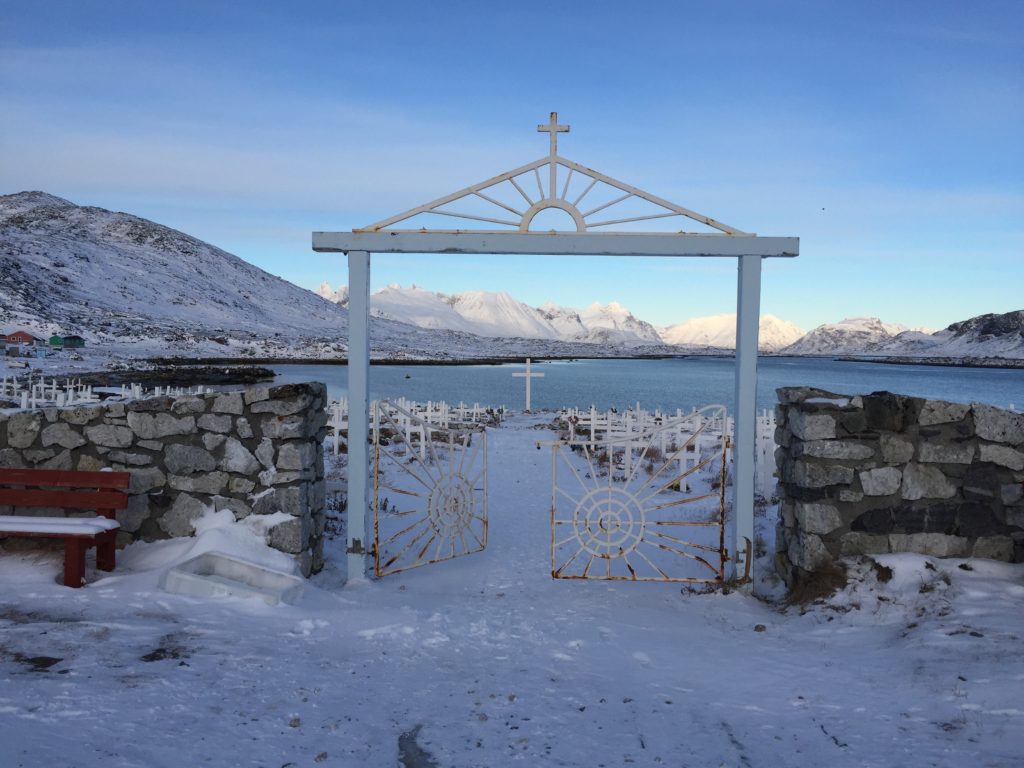
Nanortalik
The churchyard in Nanortalik

18:00 Call from hospital. The police car was already waiting outside my house, they said. I look out the window and it is there, barely visible in the snowstorm. They request a medical examination of a citizen prior to placing him in detention.

20:00 The police car is parked outside my house once again. A man has been found dead in his home. We fill out the necessary paperwork and I check his medical records.

Other posts on Greenland:
Working as a doctor in Greenland: Some basic facts.
Doctor 24/7 on call in Qaanaaq.
Life as a doctor on Thule Air Base.
The doctor visits  Siorapaluk, northernmost settlement in Greenland.

A photogallery of Nanortalik is available on flickr.

Offshore rig medic: FAQ

The questions I am most frequently asked regarding the almost two years I worked as an offshore rig medic  on the Maersk Deliverer outside Cabinda (Angola).

Q: How do you get to the rig?
A: Commercial plane overnight to Luanda (8h). Heli Malongo charterd plane Luanda-Cabinda (1h). Helicopter from either Cabinda or Malongo (1h drive north of Cabinda) and out to the rig (45 min).

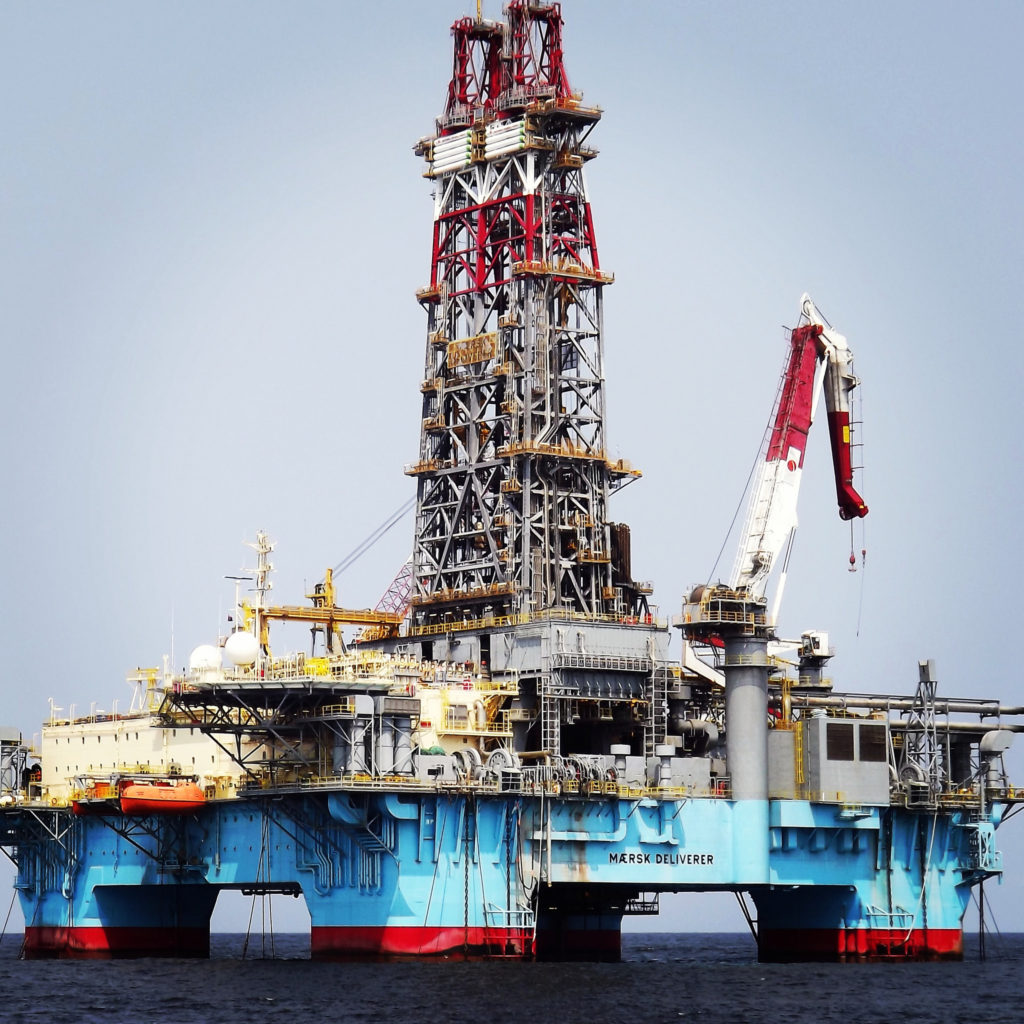
Q: What does the rig look like?
A:

Maersk Deliverer
Maersk Deliverer

Q: Does the rig stand on the seabed?
A: No. The Maersk Deliverer is a deepwater semi-submersible rig constructed to drill on water depths until 3000 meters (the world record is 3400 meters). Maersk Deliverer is in fact floating and an advanced electronic system (dynamic positioning) makes it possible to keep the rig still while the drilling is going on.

Q: How many people are on the rig?
A: 180 when full.

Q: How big is the rig?
A: 117*117 meter.

Q: Are there any women onboard?
A:  Yes, but very few, we´d be maximum 5 at any given time. Occasionally I would be the only female onboard. A couple workes as stewardesses. Additionally one DPO, and a couple of geologists and engineers (MWD) were employed.

Q: What nationalities work on the rig? Are the majority Danish?
A: No, I would say at any time no more than 10 Danes were onboard. Half of the crew were from Angola, Scotland, England, USA and Poland.

Drilling. Maersk Deliverer

Q: What is the food like?
A: Meals are served four times/24h in the Galley. They galley is always open with snacks available all the time. The food would be a mix of various dishes, with vegetarian and healthier options as well as traditional deep-fried dishes. DIY hamburgers were served every Sunday, and lasagna would be served once a week as well.

Q: What are sleeping arrangements like?
A: Most share a cabin with a colleague working the opposite shift – ie. 6 am-6 pm would share with 6 pm-6 am. Initially, the doctor was assigned a two-bed cabin with generally no other occupant, which was later changed to a single cabin. All cabins had TV and wifi signal.

Q: Telephone and internet?
A: No mobile telephone reception. Wifi was available indoors with data limit to prevent movie download etc. Computer and telephone via satellite in the sick bay.

Q: What else is there to do in the spare time?
A: Hang out in the TV room. Exercise in the gym, which is well-equipped with treadmills, cycles, weights.

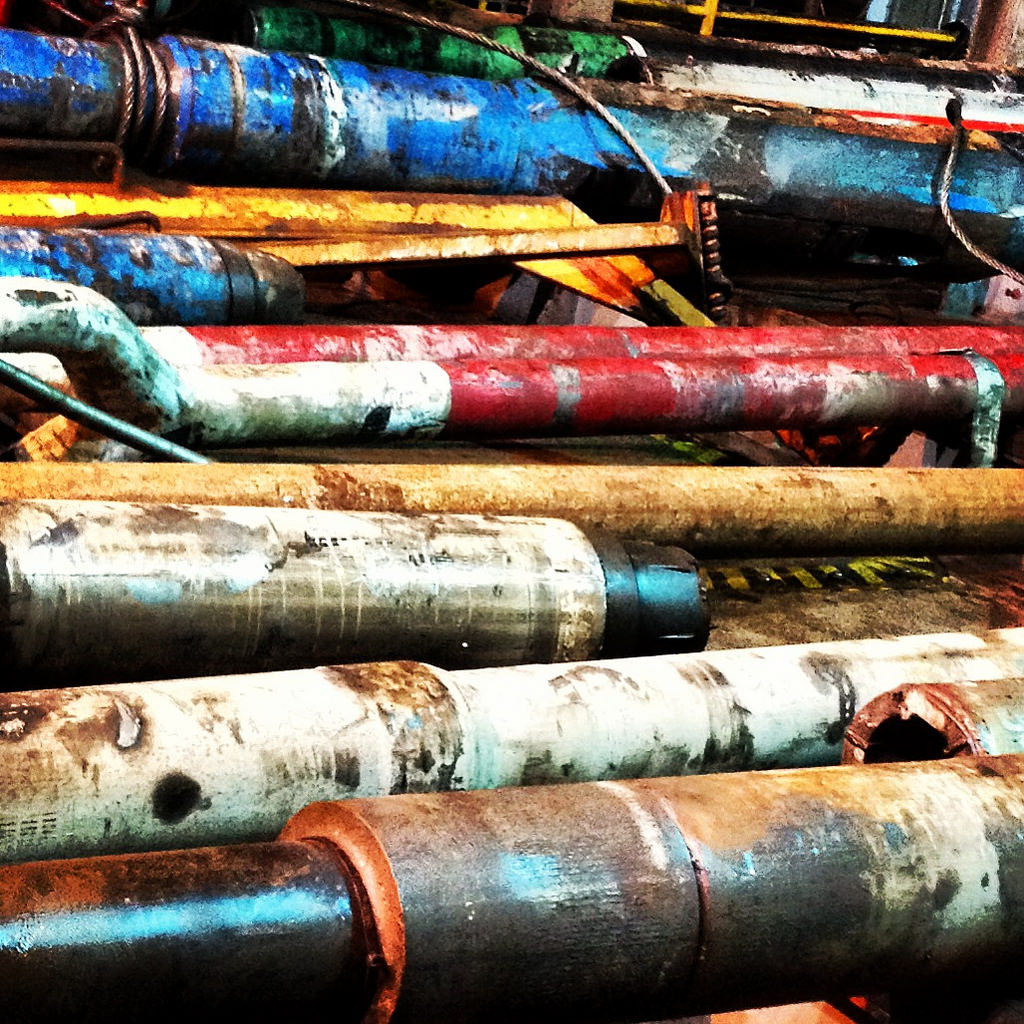
Drill pipes, Maersk Deliverer

Q: Can you perform surgery on the rig?
A: Yes, in theory. The sick bay is well-equipped. However, unless a life-threatening emergency, evacuation onshore would be preferable.

Q: Did you experience any emergencies? Severe illnesses? People who died?
A: No. No. No.

Q: What exactly did you do during the day? What did a typical day look like?
A: I dscribed a typical day in detail here.

General information: The basic information about the job as an offshore medic.
Photogallery of my time as an offshore rig medic on the Maersk Deliverer is available on flickr.

A typical day at work as an offshore rig medic

Between 2013 and 2015 I worked as a rig medic on the Maersk Deliverer (Maersk Drilling) located offshore Cabinda, Angola.

A typical day onboard:

05:50 The Sick Bay is supposed to open at 6am. I get up at the last minute and walk the 20 meters upstairs from my cabin..

06:00 The daily rush hour in the Sick Bay is  6-8 am: The crew on night shift just got off, and if they have some medical concerns they will see me before they go to bed. The day crew also prefers to visit the Sick Bay early. Furthermore all the managers both off and onshore start working (and sending emails) between 6-7 am and issues may come up at the morning meeting that require my input: Questions about the status of medicical supplies, maintenance of medical equipment, advice on certain haphazard chemicals etc.

Drilling on the Maersk Deliverer

06:30 Daily water test: I test a sample of tap water in the Sick Bay. The water onboard is produced by a fresh-water generator.

06:45 Two crew members present with what looks like a common cold, both Angolans. I test both for malaria and both test negative.

07:00 I walk the 50 meter down the corridor to the galley, where I have breakfast. Bacon and eggs. Breakfast is served between 5 and 7 am, and includes pasta dishes and french fries as this meal serves as “dinner” for the crew working 12 pm-12 am.

08:00 Via email I am advised of several crew members needing an update of their DMA Medical Certificate. I work with the RSTC to arrange appointments with them..

09:00 Time for coffee break in the galley with the Camp Boss and the Chief Cook. No issue is to small to be discussed here.

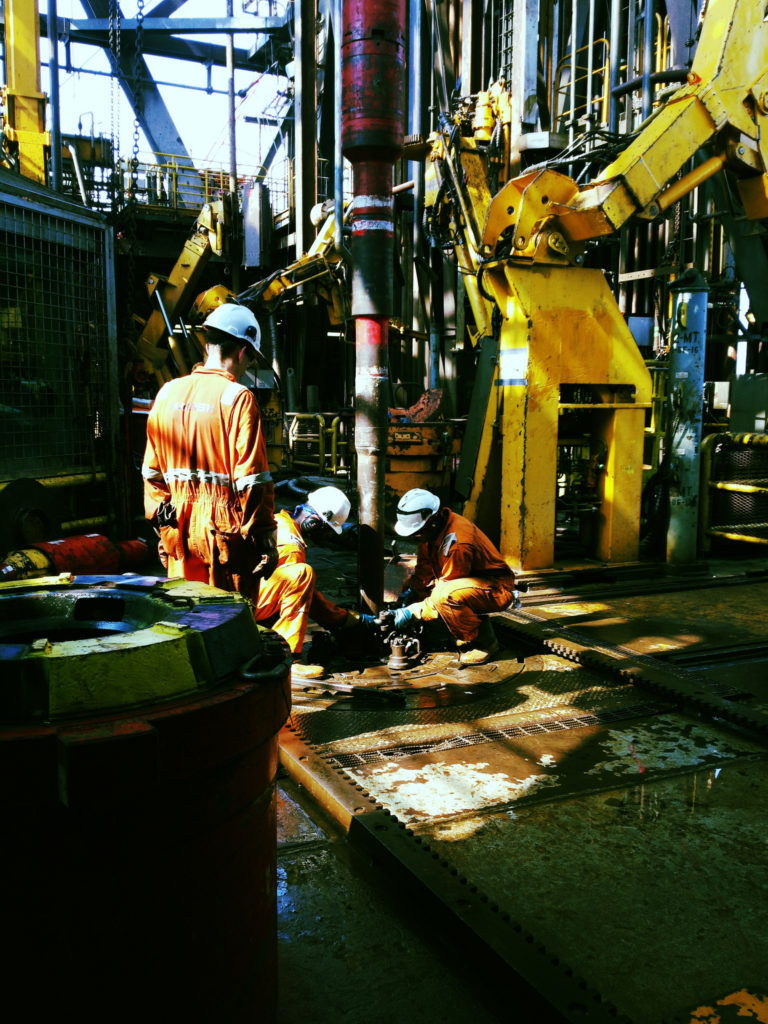
Abseiling, Maersk Deliverer

10:00 I go through the medical inventory.  This may takes several hours, and I perform one inventory count per month. The autoclave failed the test and it has been decided to replace it. I briefly go down to check some ordering issues with the MatMan.

11:00 Several crew members pass by and ask for seasickness medicine. It is crew change day for many of the Angolan employees who crew change by boat. They transfer from the rig via a basket to the boat, which then takes them onshore. Unfortunately I have never tried this basket transfer myself as I always transfer by helicopter.

12:00 Lunch is served in the galley from 11-13. There is a choice of healthy food, vegetables and salad next to the deep-fried foods. I make myself a sandwich.

13:00 The bimonthly Safety Meeting is held in the TV room. The Safety Officer presents the safety data and one topic is singled out for discussion. Today it was about wearing the correct PPE.  A monthly safety award is presented to a crew member who has made a significant contribution toward safety. 

Maersk Deliverer in Port Elizabeth
Maersk Deliverer in Port Elizabeth for the 5-yearly yard stay

15:00 Time for the daily afternoon coffee again with the Camp Boss and Chief Cook. The TV screen on the wall displays some of the key safety performance indicators such as days since last LTI (Lost Time Incident).

15:30-18:00 Time for the weekly safety inspection, which takes me all around the rig checking the various first aid equipment.

15:30 I am called on the PA system. It turns out one of the crew members has a headache.

18:00 I go down to the gym and run 8 km on the treadmill.

Casings, Maersk Deliverer

19:00 Dinner. Lasagna, my favorite dish. I asked the cook if he could make it.

21:00 Time for the weekly safety drill. This week the scenario was fire on the main deck. The four crew members acting as stretcher team and medical assistants are called to the site to transport and move a dummy. After the drill, the team leaders meet for a debriefing on the bridge.

22:00 I take a walk on the helideck. Everyone around the deck is busy assisting the drilling operations and the PA system goes off every 20 minutes. The rig is active 24/7 with no difference between night and day.

General information: Some basic things to know about the job as an offshore medic.
Photogallery of my time as an offshore rig medic on the Maersk Deliverer on flickr.